

Hip Arthroscopy
Patients suffering from various hip conditions like fractures, stiffness, torn cartilage or ligaments, hip labrum tears, femoroacetabular impingement (FAI) syndrome, etc. are treated with a minimally invasive surgical procedure called hip arthroscopy. Mark Adickes, M.D. provides expert diagnosis and arthroscopic surgery for the hip conditions in Texas. Mark Adickes, M.D. also provides highly specialized care during and after the surgery. Contact Mark Adickes, M.D.’s office for an appointment today!
What is Hip Arthroscopy?
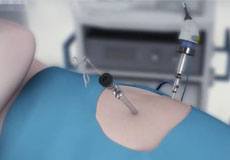
Hip arthroscopy, also referred to as keyhole or minimally invasive surgery, is a procedure in which an arthroscope is inserted into your hip joint to check for any damage and repair it simultaneously.
An arthroscope is a small, fiber-optic instrument consisting of a lens, light source, and video camera. The camera projects images of the inside of the joint onto a large monitor, allowing your surgeon to look for any damage, assess the type of injury and repair the problem.
Indications of Hip Arthroscopy
Hip arthroscopy is a surgical procedure performed through very small incisions to diagnose and treat various hip conditions including:
- Evaluation and diagnosis of conditions with unexplained pain, swelling, or stiffness in the hip that does not respond to conservative treatment
- Removal of torn cartilage or bone chips that cause hip pain and immobility
- Repair of a torn labrum (fibrous cartilage ring that lines the acetabular socket)
- Removal of bone spurs or extra bone growths caused by arthritis or an injury
- Removal of a part of the inflamed synovium (lining of the joint) if you have inflammatory arthritis (partial synovectomy)
- Repair of fractures or torn ligaments caused by trauma
Hip Arthroscopy Procedure
Hip arthroscopy is performed under regional or general anesthesia depending on you and your surgeon’s preference. Your surgeon will make 2 or 3 small incisions about 1/4 inch in length around the hip joint. Through one of the incisions an arthroscope is inserted. Along with it, a sterile solution is pumped into the joint to expand the joint area and create room for the surgeon to work.
The larger image on the television monitor allows your surgeon to visualize the joint directly and determine the extent of damage so that it can be surgically treated. Surgical instruments will be inserted through other tiny incisions to treat the problem. After the surgery, the incisions are closed and covered with a bandage.
Advantages of Hip Arthroscopy
The advantages of hip arthroscopy over the traditional open hip surgery include:
- Smaller incisions
- Minimal trauma to surrounding ligaments, muscles and tissues
- Less pain
- Faster recovery
- Lower infection rate
- Less scarring
- Early mobilization
- Shorter hospital stay
Postoperative Care for Hip Arthroscopy
Your surgeon may advise you to take certain precautions to promote faster recovery and prevent further complications. These include:
- Taking pain medications as prescribed
- Use of crutches to prevent or limit bearing weight on the operated hip
- Physical therapy exercises performed regularly to restore the normal hip function and improve flexibility and strength
- Eating a healthy diet and avoiding smoking, which will help in faster healing and recovery
- Avoiding activities that involve lifting heavy objects or performing strenuous exercises for the first few weeks after surgery
Risks and Complications of Hip Arthroscopy
As with any surgery, there are potential risks and complications involved. It is very important that you are informed of these risks before you decide to proceed with hip arthroscopy surgery. The possible risks and complications may include:
- Infection at the surgical incision site or in the joint space
- Nerve damage, which may cause numbness, tingling, pain, and weakness
- Excess bleeding into the joint (hemarthrosis)
- Blood clots may form inside the deep veins of the legs, which can travel to the lungs (pulmonary embolism)
If you would like to have additional information on the treatment of hip injuries or would like to learn more about hip arthroscopy, please contact Mark Adickes, M.D., serving the communities of Texas.
Hip Arthroscopy Recovery Timeline
Recovery varies depending on the procedure performed, but most patients can expect:
- First 1–2 weeks: use of crutches and limited weight-bearing
- 2–6 weeks: gradual return of motion and light activity
- 6–12 weeks: strengthening and improved mobility
- 3–6 months: return to sports and full activity
Most patients recover within a few months, although full rehabilitation depends on the condition treated and adherence to physical therapy. (Cleveland Clinic)
Why Choose Mark S. Adickes, MD for Hip Arthroscopy?
Patients choose Dr. Adickes for his expertise in sports medicine and hip preservation techniques. As a fellowship-trained orthopedic surgeon and former professional athlete, he understands the demands of movement, performance, and recovery. His approach focuses on precise diagnosis, minimally invasive techniques, and individualized care plans.
Serving Houston and Surrounding Communities
Conveniently located in Houston, TX, this practice serves patients throughout the region, including Katy, Sugar Land, The Woodlands, Memorial, and surrounding communities.
Frequently Asked Questions About Hip Arthroscopy
How long does hip arthroscopy surgery take?
Most procedures take about 1 to 2 hours, depending on the complexity of the condition.
Is hip arthroscopy painful?
Patients may experience mild to moderate discomfort after surgery, but pain is typically less than with open procedures and improves over time.
When can I walk after a hip arthroscopy?
Most patients use crutches for several weeks and gradually return to full weight-bearing as healing progresses.
How long does recovery take?
Recovery typically takes several weeks to a few months, with full return to activity depending on the procedure and rehabilitation progress.
Can hip arthroscopy prevent hip replacement?
In some cases, treating structural problems early can delay or reduce the need for hip replacement surgery.
Is hip arthroscopy safe?
Hip arthroscopy is generally considered safe, with a lower risk of complications compared to more invasive surgical procedures.
If you are experiencing hip pain, stiffness, or limited mobility, schedule a consultation with Dr. Mark Adickes to learn whether hip arthroscopy is the right treatment option for you.

