

Persistent knee pain can make even the simplest activities feel challenging, whether you enjoy running, playing sports, or simply walking without discomfort. While many knee problems improve with conservative care, some injuries require a closer look inside the joint to restore function and relieve pain. Knee arthroscopy is a minimally invasive procedure that can diagnose and treat a variety of conditions. Understanding how it works, when it is recommended, and what recovery involves can help you make informed decisions about your orthopedic care in Houston, TX.
Understanding Knee Arthroscopy
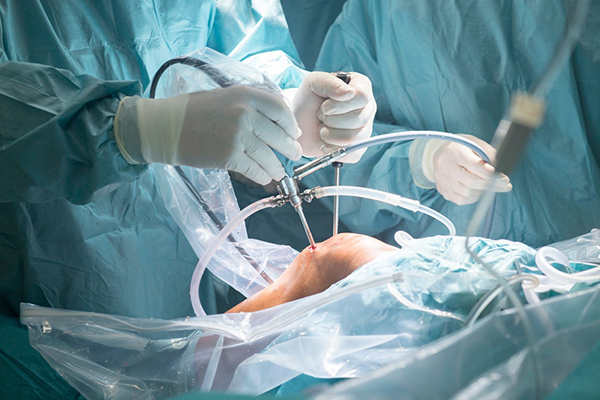
Knee arthroscopy is a minimally invasive surgical procedure that allows an orthopedic surgeon to examine and treat problems inside the knee joint using a small camera called an arthroscope. The camera is inserted through tiny incisions, providing a clear, magnified view of the joint while specialized instruments are used to perform the necessary treatment.
Because the procedure requires much smaller incisions than traditional open surgery, patients often experience less tissue disruption, reduced postoperative discomfort, and a quicker recovery. In Houston, TX, knee arthroscopy is commonly performed for both sports-related injuries and degenerative knee conditions when conservative treatments no longer provide sufficient relief.
When Is Knee Arthroscopy Recommended?
Not every knee problem requires surgery. Orthopedic specialists typically begin with conservative treatment options such as physical therapy, activity modification, anti-inflammatory medications, bracing, or injections before recommending an operation.
Knee arthroscopy may be appropriate for patients experiencing:
- Meniscus tears
- ACL or other ligament injuries
- Loose cartilage or bone fragments
- Inflamed joint lining
- Certain cartilage injuries
- Persistent knee pain with mechanical symptoms such as locking or catching
For active individuals and athletes throughout Houston, knee arthroscopy is often part of a comprehensive sports medicine treatment plan designed to restore stability, improve mobility, and support a safe return to activity.
What Happens During the Procedure?
Knee arthroscopy is usually performed as an outpatient procedure, allowing most patients to return home the same day.
After anesthesia is administered, the surgeon creates several small incisions around the knee. An arthroscope is inserted into the joint, transmitting high-definition images to a monitor. Specialized instruments are then used to repair damaged cartilage, trim or repair a torn meniscus, reconstruct injured ligaments, or remove loose tissue depending on the patient's condition.
The minimally invasive nature of arthroscopy allows surgeons to treat many knee conditions while preserving healthy surrounding tissue whenever possible.
Understanding Knee Arthroscopy Recovery
Recovery varies depending on the condition being treated and whether additional procedures, such as ACL reconstruction or meniscus repair, are performed during surgery.
Most patients can begin walking with assistance shortly after the procedure, although crutches may be recommended for several days. Swelling and mild discomfort are common during the first week and are typically managed with ice, elevation, and prescribed medications.
Physical therapy plays a vital role in recovery by restoring strength, flexibility, and range of motion. Patients who undergo simple arthroscopic procedures may return to office work within a few days, while athletes and individuals recovering from ligament reconstruction often require several months of structured rehabilitation before returning to high-impact sports.
Why Experience Matters When Choosing a Knee Specialist
Successful outcomes depend on more than the procedure itself. Choosing an orthopedic surgeon with extensive experience in knee arthroscopy and sports medicine helps ensure that each patient receives an accurate diagnosis and a treatment plan tailored to their lifestyle and long-term goals.
Many orthopedic specialists in Houston also care for related conditions involving the hip and shoulder, allowing them to evaluate how movement patterns throughout the body may influence knee function. This comprehensive approach can be especially valuable for active adults and athletes seeking long-term pain relief and injury prevention.
Frequently Asked Questions
What conditions can knee arthroscopy treat?
Knee arthroscopy is commonly used to treat meniscus tears, ligament injuries, cartilage damage, inflamed joint tissue, loose bone or cartilage fragments, and certain causes of persistent knee pain or joint locking.
How long does it take to recover from knee arthroscopy?
Recovery depends on the procedure performed. Minor arthroscopic procedures may allow patients to resume normal daily activities within a few weeks, while ligament reconstruction or complex repairs typically require several months of rehabilitation.
Is knee arthroscopy painful?
Most patients experience mild to moderate discomfort during the first few days after surgery. Pain is usually well managed with medications, ice, elevation, and physical therapy, with symptoms improving steadily as healing progresses.
Can I avoid knee arthroscopy with nonsurgical treatment?
In many cases, yes. Physical therapy, activity modification, medications, injections, and other conservative treatments may successfully relieve symptoms. Surgery is generally recommended only when these approaches fail to provide adequate improvement or when structural damage requires repair.
How do I know if I need knee arthroscopy in Houston, TX?
If you have ongoing knee pain, swelling, instability, locking, or difficulty performing daily activities despite conservative treatment, an evaluation by an orthopedic specialist in Houston can determine whether knee arthroscopy is the most appropriate option.
Find Lasting Relief from Knee Pain
Knee arthroscopy offers an effective, minimally invasive solution for many common knee injuries and conditions, helping patients regain mobility and return to the activities they enjoy. If persistent knee pain is interfering with your quality of life, consulting with an experienced orthopedic specialist in Houston, TX can help you explore the treatment options that best support your long-term joint health.
Dr. Mark Adickes is a fellowship-trained orthopedic sports medicine surgeon and former NFL player whose journey from “Jock to Doc” has made him a respected voice in sports medicine. After completing orthopedic surgery residency, he pursued advanced fellowship training in sports medicine. Drawing on both his athletic and medical experience, Dr. Adickes is dedicated to educating athletes and active individuals about injury prevention, treatment, recovery, and performance.

