

Persistent knee pain can make everyday activities like walking, climbing stairs, or exercising increasingly difficult. While many people assume that chronic knee pain automatically leads to knee replacement surgery, that is not always the case. Depending on the underlying cause, minimally invasive procedures may help relieve symptoms, improve function, and preserve your natural joint. This article explores when knee arthroscopy may help delay or even avoid knee replacement surgery.
Understanding Knee Arthroscopy
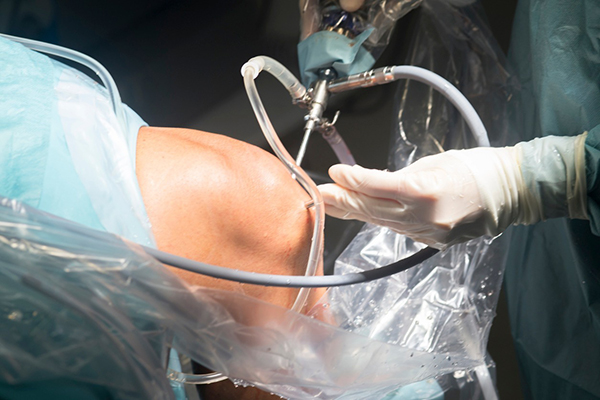
Knee arthroscopy is a minimally invasive surgical procedure used to diagnose and treat a variety of knee problems through small incisions. During the procedure, an orthopedic surgeon inserts a tiny camera called an arthroscope into the knee joint, allowing a detailed view of the cartilage, ligaments, menisci, and other structures.
Specialized instruments can then be used to repair or remove damaged tissue while minimizing disruption to surrounding healthy tissue. Compared with traditional open surgery, arthroscopy generally results in smaller incisions, less postoperative discomfort, and a faster recovery for appropriately selected patients.
Can Knee Arthroscopy Prevent Knee Replacement?
The answer depends on the condition affecting your knee. Knee arthroscopy does not reverse advanced arthritis or regenerate severely worn cartilage. However, it can successfully treat several problems that cause pain, swelling, and limited mobility before arthritis becomes severe enough to require joint replacement.
By addressing mechanical issues early, arthroscopy may improve knee function, reduce pain, and help patients remain active for years before considering knee replacement.
Conditions That May Benefit from Knee Arthroscopy
Knee arthroscopy is commonly recommended for conditions involving structural damage within the joint rather than widespread arthritis.
These include:
- Meniscus tears
- Loose cartilage or bone fragments
- Cartilage injuries
- Certain ligament injuries
- Inflamed joint lining
- Knee locking or catching caused by mechanical problems
For active adults and athletes, sports medicine specialists often use arthroscopy to restore stability and function after injuries that occur during recreational or competitive activities.
When Knee Arthroscopy May Not Be the Best Option
Although arthroscopy is highly effective for many conditions, it is not the right solution for everyone.
Patients with advanced bone-on-bone knee arthritis, severe joint deformity, or extensive cartilage loss may experience limited benefit from arthroscopy alone. In these situations, comprehensive evaluation helps determine whether nonsurgical care, regenerative medicine, partial knee replacement, or total knee replacement offers the greatest long-term improvement.
An orthopedic surgeon considers imaging studies, physical examination findings, activity level, age, and overall joint health before recommending the most appropriate treatment plan.
How Early Treatment Can Preserve Knee Function
Many knee conditions gradually worsen if left untreated. A small meniscus tear, for example, may enlarge over time and increase stress on the surrounding cartilage. Similarly, untreated ligament injuries can create joint instability that accelerates cartilage wear.
Seeking evaluation early allows orthopedic specialists to identify problems while more joint-preserving treatment options remain available. In some cases, combining arthroscopic treatment with physical therapy, activity modification, and orthobiologic therapies such as platelet-rich plasma (PRP) may further support recovery and improve function.
Recovery After Knee Arthroscopy
Recovery varies depending on the procedure performed and the patient's overall health. Many individuals begin walking with assistance shortly after surgery, while returning to sports or strenuous activities may require several weeks or months.
Physical therapy often plays an important role in restoring strength, flexibility, and balance. Following rehabilitation recommendations helps maximize the benefits of surgery and reduces the risk of future injury.
Most patients appreciate that arthroscopy allows treatment through small incisions while supporting an earlier return to many daily activities compared with more extensive surgical procedures.
The Importance of an Individualized Treatment Plan
No two knees are exactly alike. The best treatment depends on the source of pain rather than the severity of symptoms alone. Experienced orthopedic surgeons evaluate whether knee arthroscopy, cartilage restoration procedures, regenerative medicine, rehabilitation, or robotic-assisted partial or total knee replacement is most appropriate for each individual.
The goal is always to preserve the natural joint whenever possible while providing lasting pain relief and restoring mobility.
Frequently Asked Questions
Can knee arthroscopy cure arthritis?
No. Knee arthroscopy does not cure arthritis or rebuild worn cartilage. It is primarily used to treat mechanical problems inside the knee that contribute to pain and limited movement.
How do I know if I need knee arthroscopy or knee replacement?
The recommendation depends on the condition affecting your knee. Meniscus tears, loose cartilage, and certain sports injuries may respond well to arthroscopy, while advanced arthritis may require joint replacement.
Is knee arthroscopy considered major surgery?
Knee arthroscopy is a minimally invasive procedure performed through small incisions. Although it is still surgery, it generally involves less tissue disruption and a quicker recovery than open procedures.
Can athletes return to sports after knee arthroscopy?
Many athletes successfully return to sports after rehabilitation. Recovery time depends on the type of injury treated, the procedure performed, and adherence to physical therapy.
Does having knee arthroscopy guarantee I will never need knee replacement?
No. Arthroscopy may delay or reduce the need for knee replacement in appropriately selected patients, but it cannot prevent arthritis from progressing in every case.
Knee replacement is not the only option for persistent knee pain. For many patients, identifying and treating the underlying cause early with minimally invasive techniques such as knee arthroscopy may help preserve the natural joint and maintain an active lifestyle. Consulting an experienced orthopedic specialist in Houston, TX can help determine the most effective treatment approach based on your specific condition and long-term goals.
Dr. Mark Adickes is a fellowship-trained orthopedic sports medicine surgeon and former NFL player whose journey from “Jock to Doc” has made him a respected voice in sports medicine. After completing orthopedic surgery residency, he pursued advanced fellowship training in sports medicine. Drawing on both his athletic and medical experience, Dr. Adickes is dedicated to educating athletes and active individuals about injury prevention, treatment, recovery, and performance.

